What Happens When You Stop Performing and Start Expressing?
There’s this thing that happens when you’re “the talented one.”
You get really good at knowing what people want from you.
You learn how to hit all the right notes — in music, in school, in life — so everyone claps.
And you start performing.
All the time.
Even when no one’s watching.
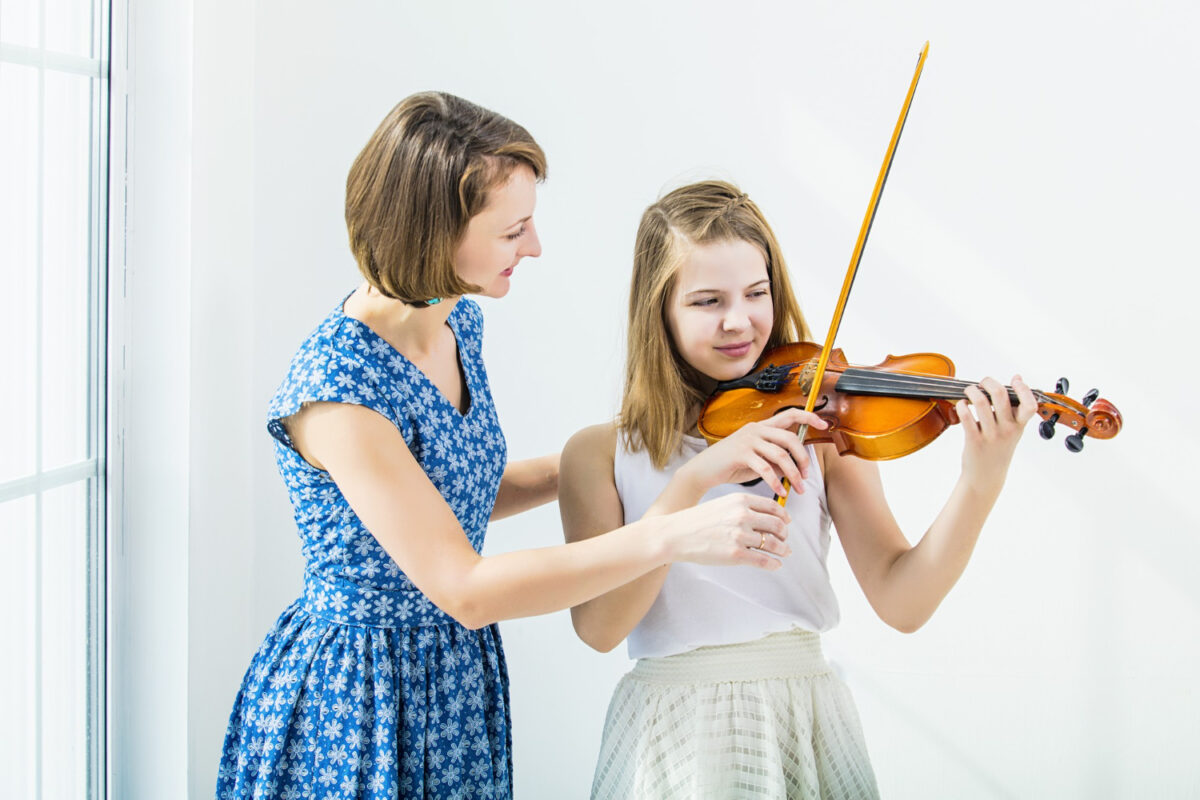
I started playing violin when I was six.
At first, it felt like magic — like telling stories without needing words.
But somewhere along the way, it became something else.
Recitals. Competitions. “Play that one piece again — the one Grandma likes.”
My fingers were moving, but my heart? Not always in it.
Same with school. Same with being “the responsible sister.”
It’s not that I didn’t care.
It’s that I forgot what it felt like to care just for me.
Then I got to college.
No one here knows me as “the big sister,” or “the violin girl,” or “the straight-A daughter.”
They just know me as HerShe.
Which was terrifying.
But also… kind of freeing?
So one night, I pulled out my violin — no sheet music, no plan.
Just me, the strings, and a bunch of feelings I hadn’t figured out yet.
And I played.
Not to impress.
Not to win.
Not to be good.
Just… to feel.
It didn’t sound perfect.
Some notes wobbled.
I didn’t care.
I cried halfway through, which made my roommate panic and offer me trail mix (??).
But that night, for the first time in forever, I remembered why I picked up the bow in the first place.
It wasn’t about performance.
It was about expression.
Here’s the difference no one tells you:
- Performing is about being seen.
- Expressing is about being known.
And when you stop trying to be flawless, you leave space to be honest.
I still care about doing well. I still want to make my family proud.
But now, when I play — or speak up in class — or write poetry at 2am I’ll probably never show anyone…
I ask myself:
“Is this coming from truth or from habit?”
If it’s habit, I pause.
If it’s truth, I lean in.
If you’re always performing, maybe you’re tired for a reason.
Maybe it’s time to put down the script and start speaking your own lines.
Even if they shake. Even if they’re quiet.
Even if they don’t come with applause.
Trust me.
They’re still worth hearing.
 About
About 





-0 Comment-